Yes, you can do cardio while bulking and still build muscle. Research on combining aerobic and strength training finds that muscle growth and maximal strength are generally not compromised, as long as you keep the dose sensible and eat enough to cover the extra energy you burn. For most people lifting two or three times a week, that means 2 to 3 easy-to-moderate cardio sessions, placed away from your hardest leg work.
Here’s how to make that work without second-guessing every run or bike ride.
It’s easy to picture bulking as lifting, eating, and sleeping, with cardio as the enemy. Why would you burn calories you’re working so hard to eat?
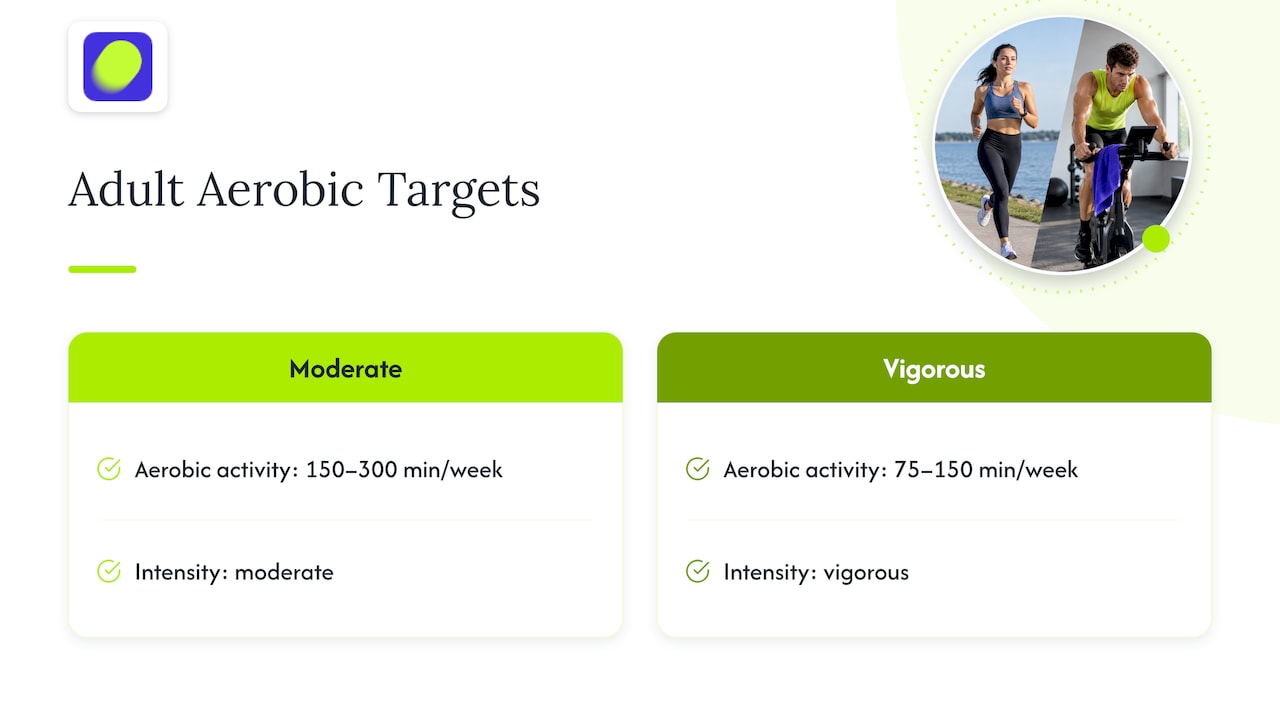
Because cardio is about more than burning calories. It supports your heart, your stamina between sets, and how well you feel day to day. Health guidelines recommend adults get 150 to 300 minutes of moderate-intensity or 75 to 150 minutes of vigorous-intensity aerobic activity per week. A bulk doesn’t cancel that.
The science on muscle is also kinder than gym folklore. One review argues the so-called interference effect is not as compelling as once thought, and that under some conditions concurrent training may even help resistance-training growth.
The key word is dose. Keith Baar’s review explains that lower frequencies and intensities of aerobic work are less likely to disrupt muscle growth than high-frequency or extremely hard training.
There’s no magic number, but here’s a practical starting range if you lift 2 to 3 days a week:
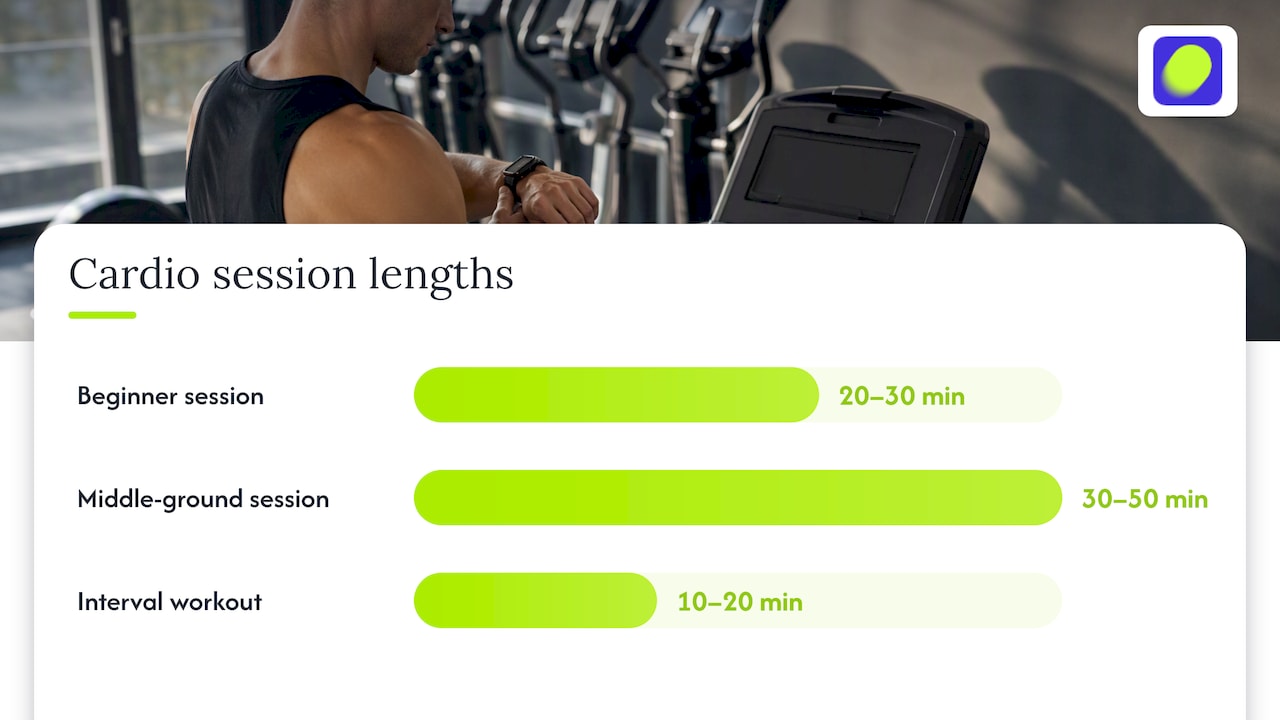
Why that ceiling? The same 2014 review notes that endurance work done more than 4 days a week, or above 80% of VO2max, can potentially inhibit long-term strength and size gains. It also reports that 30 to 50 minutes of lower-intensity cycling, 2 to 3 times a week, typically doesn’t impair strength or lean mass when done alongside lifting.
So if you train 2 to 3 times a week, you have room. Two or three cardio sessions fit the evidence and still leave energy for the weights.
Want a sense of how long each session should be? Our guide to ideal workout duration by goal breaks it down.
Pick the kind you’ll repeat. Beyond that, a few patterns help.
HIIT is not free, though. A 2023 review found that concurrent training with HIIT may lead to smaller muscle-fiber growth than resistance training alone, even though whole-muscle growth was not affected. Treat intervals as a seasoning, not the main dish.
Not sure whether to lean toward intervals or lifting? Our breakdown of HIIT versus strength for beginners helps you choose what you’ll actually do.
Timing matters more than most people think. Research suggests the interference shows up mostly in the same session. One review found that explosive-strength gains may be attenuated when cardio and lifting share a session.
The NSCA adds that interference is more likely when long-duration cardio is frequently done right before resistance sessions.
Here’s a simple way to organize your week:
A three-day example: lift Monday, easy cycling Tuesday, lift Wednesday, walk or intervals Friday, lift Saturday. That keeps your key lifts fresh and cardio from piling up.
We go deeper on this in should you do cardio before or after lifting. And since you’ll be training hard, a daily recovery routine helps you keep sessions apart and bounce back between them.
Cardio burns energy, so your surplus shrinks by that amount. The fix is simple: add calories, don’t drop cardio.
If the scale stalls for two to three weeks, add a modest amount of food, such as a snack with carbs and protein each day, and watch the trend. A single workout doesn’t automatically make you hungrier either. ACSM experts note that single bouts of exercise don’t automatically increase food intake, so plan your meals instead of waiting for appetite to catch up.
The same ACSM Q&A notes that resistance exercise protects lean tissue less well when energy restriction is severe. In a bulk you’re doing the opposite, which is exactly why a surplus plus lifting is such a good combination.
Some lifters also look at creatine. A 2022 NSCA journal review says supplements like creatine may help offset short-term strength-endurance dips in concurrent training. Check with your doctor before starting any supplement.
You’ll see claims that fasted cardio is the secret. The evidence doesn’t back that up. In a four-week study of young women on a calorie-restricted diet, fat and lean mass changes were similar whether cardio was fasted or fed.
That study was about cutting, not bulking, but the lesson carries over: fasting isn’t a shortcut. During a bulk you want fuel in the tank so your next lift is strong. If a morning walk feels fine on an empty stomach, go for it. If you feel shaky, eat first. Our fasted cardio beginner’s guide covers how to decide.
Ready to put it together? Try this for four weeks:
If your lifting drops, your legs feel heavy for days, or sleep slips, trim cardio by one session before you change anything else.
Balancing lifting, cardio, and recovery shouldn’t take hours of spreadsheet work. With Onemor, you get coach-led workouts with guided sets, reps, and rest timers, plus streaks, XP, and tribe challenges to keep you coming back. Start with the free plan, or explore Pro for more structure. You can also meet our coaches and find a style that fits you.
Yes. Research finds that combining aerobic and strength training generally doesn’t compromise muscle size or maximal strength. Keep cardio moderate, eat enough, and separate it from heavy lifting when you can.
For most people lifting 2 to 3 times a week, 2 to 3 easy-to-moderate sessions of 20 to 50 minutes works well. Avoid very high frequency or very hard efforts, which can cut into recovery and gains.
After is usually better if you must do both in one session, and a separate day is better still. Hard or long cardio before lifting can hurt your performance in the weight room.
Only if you don’t eat for it. Cardio burns calories, so add some food to cover it. If your weight stalls for two to three weeks, increase intake slightly before cutting cardio.