If you want pure strength and muscle, strength training wins. If you want the fastest cardio boost or only have a few minutes a day, HIIT fits better. If you want both, you can combine them, and research on resistance-based HIIT shows this hybrid approach genuinely works. Either way, start with a guided program so your form and recovery stay on track as you build the habit.
TL;DR:
- Limit HIIT to two or three sessions weekly, with rest days between, and choose cycling or bodyweight circuits before sprinting if you are new.
- For maximal strength, ACSM recommends about 80% of your one repetition maximum for two to three sets per exercise when that is your goal.
- If combining methods, separate heavy lifting and intense HIIT by 24 to 48 hours, or place HIIT on lighter days to protect recovery.
- With only two short workout windows weekly, resistance based interval training can combine strength and cardio in sessions lasting about 20 minutes.
HIIT means short bursts of intense effort followed by brief recovery periods. You’ll see it in sprint intervals, cycling sprints, bodyweight circuits, and a newer hybrid called R-HIIT, which swaps some cardio intervals for resistance moves.
The biggest appeal is efficiency. ACE-sponsored research found that HIIT-style resistance training delivered muscular fitness and cardiometabolic benefits similar to traditional moderate-intensity training, in less than half the time. You get a real workout without blocking out an hour.
That speed comes with tradeoffs. HIIT asks a lot of your joints and nervous system in a short window, so doing it every day without rest tends to backfire. Beginners especially benefit from low-impact versions that protect the knees and ankles while you build a base.
A few practical notes before you jump in:
One minute of vigorous activity counts roughly as two minutes of moderate activity toward your weekly totals, according to the CDC’s physical activity guidelines. That math explains why a 20-minute HIIT session can cover as much as a longer moderate-intensity session.
If your joints need extra care, our guide to joint-friendly HIIT for beginners walks through modifications that keep the intensity without the pounding.
Strength training is the clear winner when your goal is building muscle, getting stronger, or protecting your body for the long run. The 2026 ACSM position stand recommends lifting around 80% of your one-rep max for two to three sets per exercise when strength is the priority, and roughly ten weekly sets per muscle group when hypertrophy is the goal.
The payoff goes beyond how you look. Resistance training supports bone density, improves metabolic health, and according to American Heart Association coverage of sleep research, may even outperform aerobic-only exercise for improving sleep quality in some studies.
You don’t need a loaded barbell to start. Bodyweight squats, resistance bands, and light dumbbells all count, as long as you keep applying progressive overload, meaning you gradually add weight, reps, or sets over time. ACSM’s guidance confirms that nontraditional tools like bands and bodyweight circuits can produce meaningful strength and muscle gains when volume builds steadily, which matters if you’re training at home.
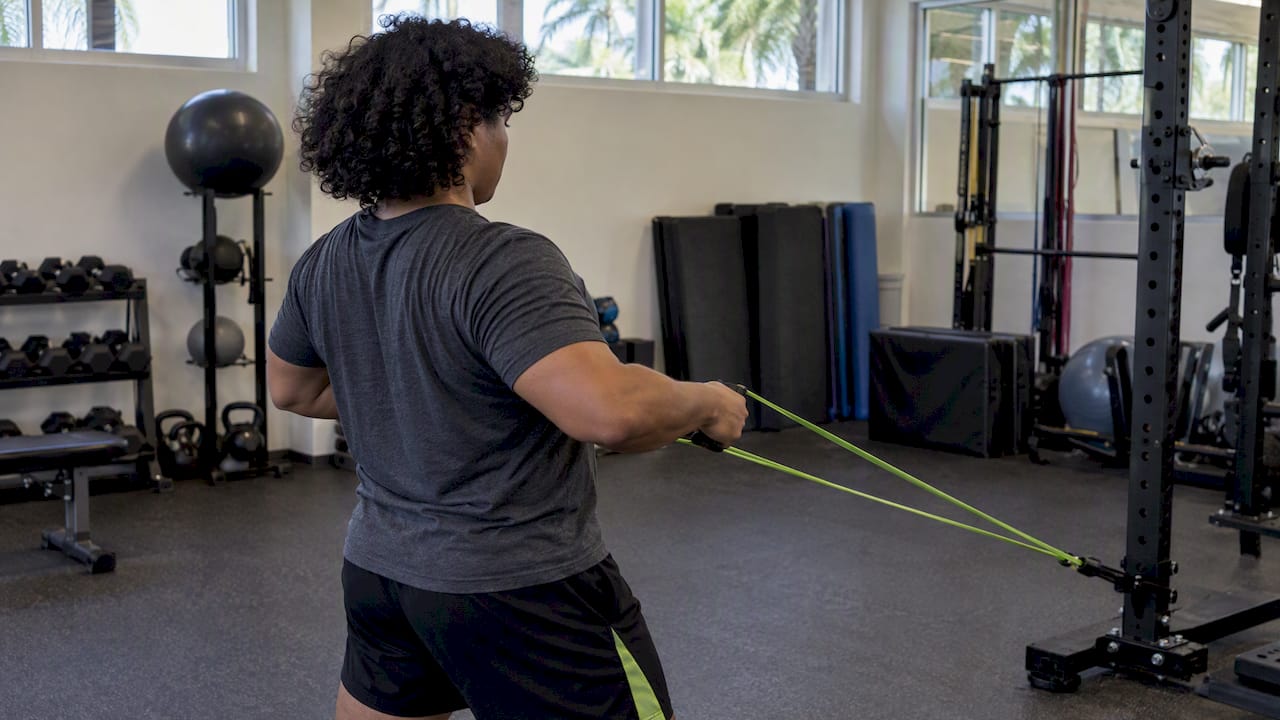
The main hurdle is the learning curve. Lifting with poor form invites injury, and that’s where coaching or a guided program earns its keep early on.
A few entry points worth knowing:
Pro Tip: If you’re new to lifting, spend your first two weeks mastering form with lighter loads before chasing heavier weights.
For a structured starting point, our coach-led strength sessions for young adults break progression down into manageable steps.
Your goal, schedule, and equipment access should drive your choice more than general advice ever could.
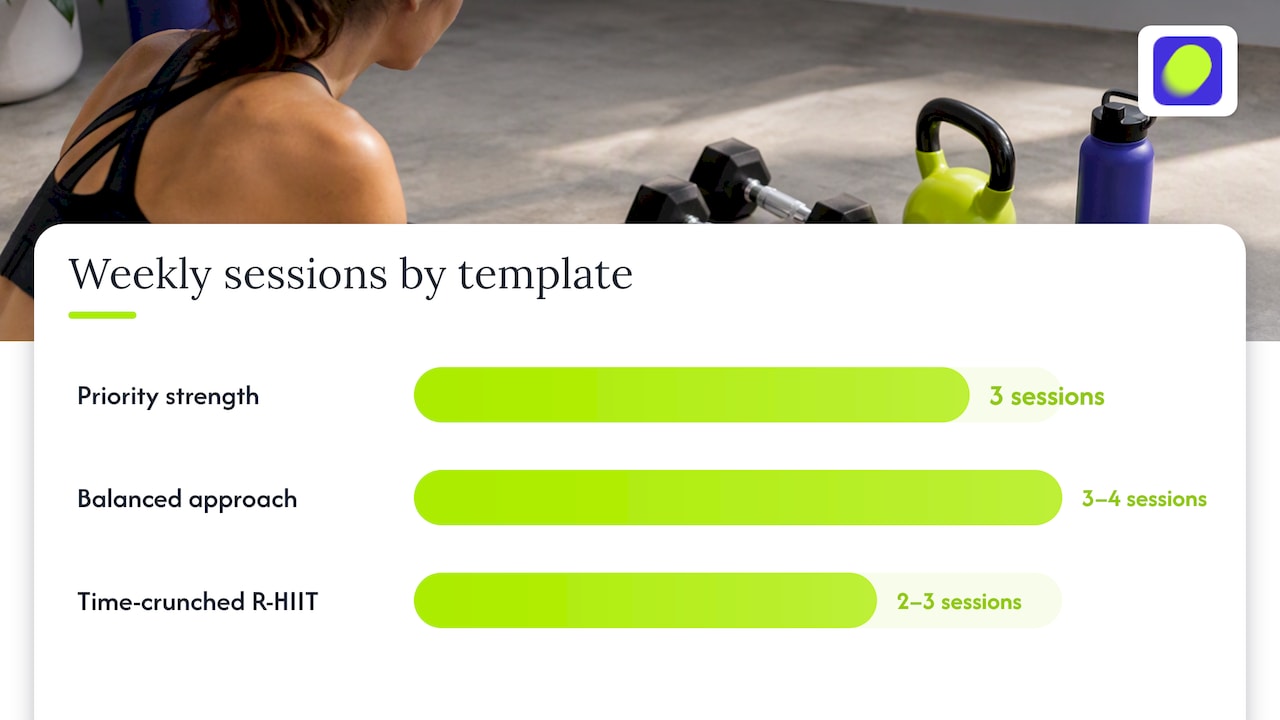
A couple of real-world examples make this easier to apply. If you can train three times a week and strength is your main goal, prioritize resistance training and add one optional HIIT session for cardio variety. If you only have two 20-minute windows a week, an R-HIIT format gives you both strength and cardio stimulus without needing a longer session.
If you’re also juggling another sport, like Brazilian Jiu-Jitsu, scheduling matters just as much as the workout itself. Hendo BJJ’s guidance on fitting strength sessions around mat time is a useful reference if you’re trying to avoid overtraining while still training multiple disciplines.
Start by answering three questions: what’s your primary goal, how much weekly time do you realistically have, and which workout style do you actually enjoy enough to repeat. That last one matters more than it sounds. Research reviewed alongside ACSM’s guidelines consistently points to enjoyment and adherence as the strongest predictors of long-term success, more than any specific program detail.
From there, pick a template that matches your week:
If you’re combining both methods, sequencing matters. Research on concurrent training suggests separating heavy strength sessions from intense HIIT by at least 24 to 48 hours, or scheduling HIIT on lighter days, to avoid one workout undercutting your recovery from the other.
Pro Tip: Increase intensity or load by small steps each week rather than jumping up all at once, your joints and your motivation will both thank you.
Give yourself four to eight weeks before judging results. That’s the realistic window where novices following ACSM’s guidelines start seeing visible strength gains, and those early wins tend to keep you coming back, which matters more than any perfectly optimized plan you never finish.
A simple HIIT session: warm up for 3 minutes, then do eight rounds of 30 seconds hard effort (on a bike, bodyweight circuit, or brisk incline walk) followed by 60 seconds easy recovery, aiming for a perceived exertion around 7 or 8 out of 10 on the hard intervals.
A beginner full-body strength session:
An R-HIIT session for both goals: five rounds of 40 seconds goblet squats, 40 seconds push-ups, 40 seconds band rows, each followed by 20 seconds rest, totaling about 25 minutes.
Our low-impact HIIT guide and 3x weekly guided strength plan both offer ready-made versions of these templates if you’d rather follow along than build your own.
Knowing the theory behind HIIT and strength training is one thing. Actually showing up, with good form and the right intensity, is another challenge entirely, and it’s the one most beginners underestimate.
This is where coach-led, structured programming closes the gap. Guided sessions with built-in sets, reps, and rest timers remove the guesswork that trips up many new lifters, while progress tools like streaks and XP turn consistency into something you can see and feel good about. Community features add a layer of accountability that solo workouts rarely provide.
Each of these pieces maps directly to the struggles we’ve covered: technique confusion, recovery pacing, and the simple fact that motivation fades without structure. A program that handles the planning for you lets you focus on showing up and putting in the work.
We built the app around one idea: workouts should feel structured enough to trust and enjoyable enough to repeat. Inside, you’ll find coach-led sessions covering strength training, HIIT, and bodyweight routines, each with guided sets, reps, and rest timers so you’re never guessing what comes next.
Choosing your path is simple:
Tribe-based challenges and streak tracking help the habit stick once you start. Head to our find my program page to match your goal to a plan and get moving today.
Because vigorous activity counts roughly twice as much as moderate activity toward weekly totals, according to CDC guidelines, a 20-minute HIIT session can cover ground similar to about 40 minutes of moderate steady-state cardio. The exact equivalence depends on how hard you push during the intervals.
HIIT places significant stress on joints and the nervous system in a short window, which raises injury risk if you do it too often without rest days. It also provides a limited stimulus for building maximal strength compared with dedicated resistance training.
This isn’t an established guideline from CDC, ACSM, or ACE, so there’s no verified definition we can confirm. If you’ve seen it referenced online, treat it as informal fitness advice rather than a research-backed standard.
Traditional cardio-based HIIT builds some muscle, but it’s not optimized for hypertrophy the way resistance training is. Resistance-based HIIT, or R-HIIT, is the exception. An 8-week study found it produced greater strength gains than cycling-based HIIT while still improving cardiovascular fitness.