Aim to finish a normal meal a few hours before training. If you have less time, a small carb-focused snack 30–60 minutes out works well. Inside 30 minutes, go liquid. That’s the core rule, backed by registered dietitian consensus and practical guidance from sports nutrition professionals.
Two quick options when you’re short on time:
If you only needed the short answer, you’ve got it. If you want to understand why these windows work, what to eat in each one, and how to adjust for your specific session type, keep reading.
Pre workout meal timing refers to the practice of scheduling food intake relative to exercise to maximize energy availability and minimize GI discomfort. Sports nutrition professionals often call this nutrient timing, and while the term sounds technical, the concept is simple: your body needs fuel in the right form at the right moment.
The practical decision matrix from sports dietitians breaks it down by how much time you have.
The reason food composition changes as the clock shortens comes down to digestion speed. Fat and fiber slow gastric emptying, meaning they stay in your stomach longer. Close to training, that undigested food competes with your muscles for blood flow, which can cause cramping, nausea, or just sluggish energy. The closer you are to your session, the lighter and simpler your fuel needs to be.
Pro Tip: Test any new pre-workout eating strategy at least 2–3 times during regular training sessions before relying on it for a big event or competition. Your gut has preferences, and you want to discover them on a Tuesday, not a race day.
Carbohydrates are your primary fuel for moderate-to-high intensity exercise. Your muscles run on glycogen, which comes from carbs, so eating carbs before training tops off those stores and keeps you performing at your best.
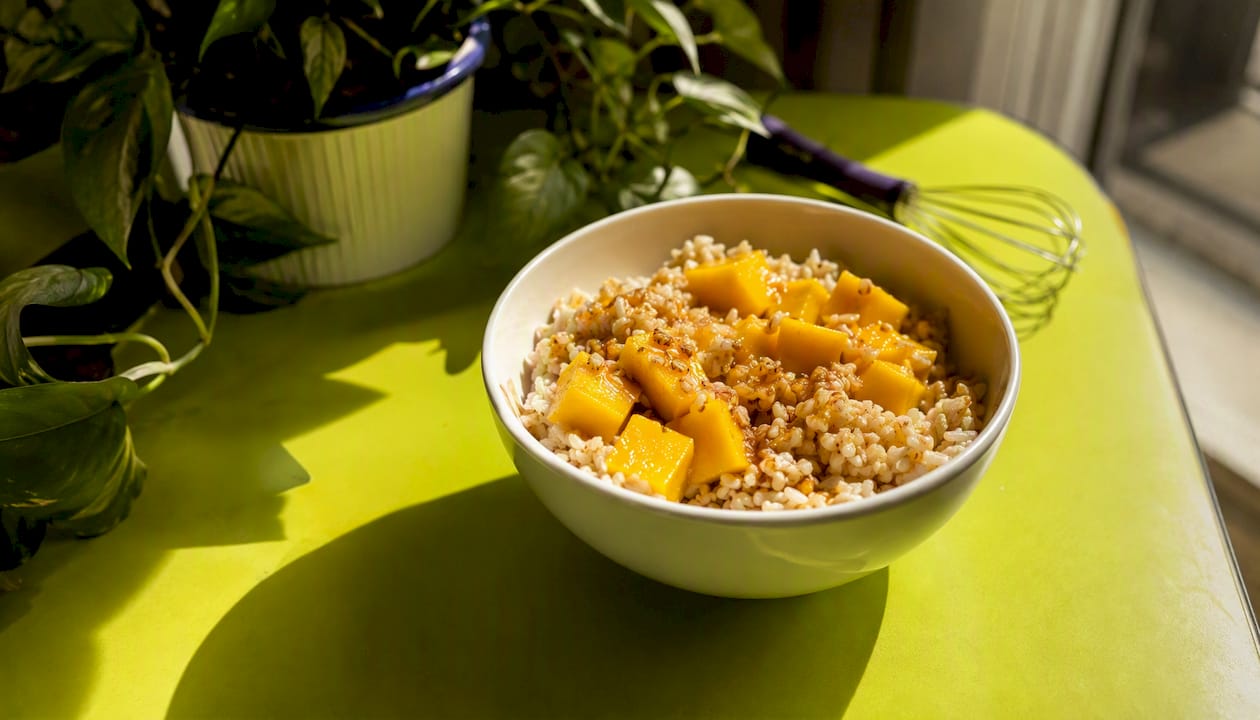
Protein plays a supporting role. A moderate amount before training contributes to muscle protein synthesis and helps with recovery, but it’s not the urgent priority in the immediate pre-workout window. Think of it as a bonus, not the main event. For ideas on adding protein without GI issues, the high-protein meal ideas on Onemor’s blog are worth a look.
Fat and fiber are the two things to limit as your session approaches. Both slow digestion, and high-fat meals before intense exercise are consistently linked to GI distress. A small amount of fat in a meal eaten 3–4 hours before training is completely fine. A large, fatty meal 45 minutes before a HIIT session is a recipe for discomfort.
Here’s a practical macro priority list for the hour leading up to training:
A note on GI sensitivity: Everyone's gut responds differently. If you regularly experience cramping or nausea before workouts, the fix is usually moving your meal earlier or switching to liquid carbs, not eating less overall. Don't introduce unfamiliar foods or large portions before an important session.
Knowing the rules is one thing. Knowing what to put on your plate is another. Here are real-food examples mapped to each timing window, with rough portion guidance.
4+ hours before training: a full balanced meal
This is your standard lunch or dinner. You have time to digest everything, so fat and fiber aren’t a concern.
2–4 hours before training: a moderate, carb-forward meal
Scale back the fat and fiber a little. Think of this as a lighter version of a full meal.
60–90 minutes before training: a solid snack
Keep it simple. Carbs with a small protein hit, low fat.
30–60 minutes before training: easy-to-digest carbs
This is snack territory, not meal territory. The goal is fast fuel, not satiety.
Under 30 minutes: liquid or simple carbs only
Solid food doesn’t have enough time to clear your stomach. Go liquid or very low-volume.
Quick swaps for different dietary preferences:
For more real-food inspiration, what to eat to feel good during workouts covers practical examples from an athlete’s perspective.
Early morning sessions are where pre workout meal timing gets tricky. Your glycogen stores are partially depleted after an overnight fast, but eating a full meal at 5:30 AM isn’t always realistic or comfortable.
The answer depends on what you’re doing. Short, low-to-moderate intensity sessions (a 30-minute walk, light yoga, or an easy jog) can often be done fasted without a performance hit. Strength training, HIIT, or anything lasting more than 45–60 minutes at real intensity benefits from at least a small carb or carb-plus-protein snack beforehand.
Quick morning options that are easy on the stomach:
Pro Tip: If your stomach is sensitive in the morning, start with liquid options. A small shake or sports drink clears your stomach faster than solid food and is less likely to cause nausea during high-intensity work.
UCLA Health guidance supports the approach of a small meal 1–3 hours before exercise or a brief carb snack 30–60 minutes before, depending on the activity. For morning sessions, that 30-minute window with a light snack is often the most practical option.
Hydration is one of the most overlooked parts of pre-workout preparation. You can nail your meal timing perfectly and still underperform if you show up dehydrated.
Cleveland Clinic guidance recommends drinking roughly 16–20 ounces of water about 1 hour before exercise, then topping up with another 8 ounces about 10–20 minutes before you start. This isn’t a rigid formula, but it gives your body time to absorb and distribute fluids before you need them.
Plain water is enough for most sessions under 60 minutes. When sessions run longer, or when you’re training in heat or humidity, electrolytes become relevant.
When to add electrolytes:
Even mild dehydration can reduce strength output and endurance capacity, as noted in practical pre-workout hydration guidance.
For a deeper look at how water and electrolytes affect your performance, the Onemor hydration guide covers the science in plain language.
Not all sessions are created equal, and your pre-workout nutrition should reflect that. A 45-minute strength session and a 90-minute run have very different fuel demands.
For strength and power training:
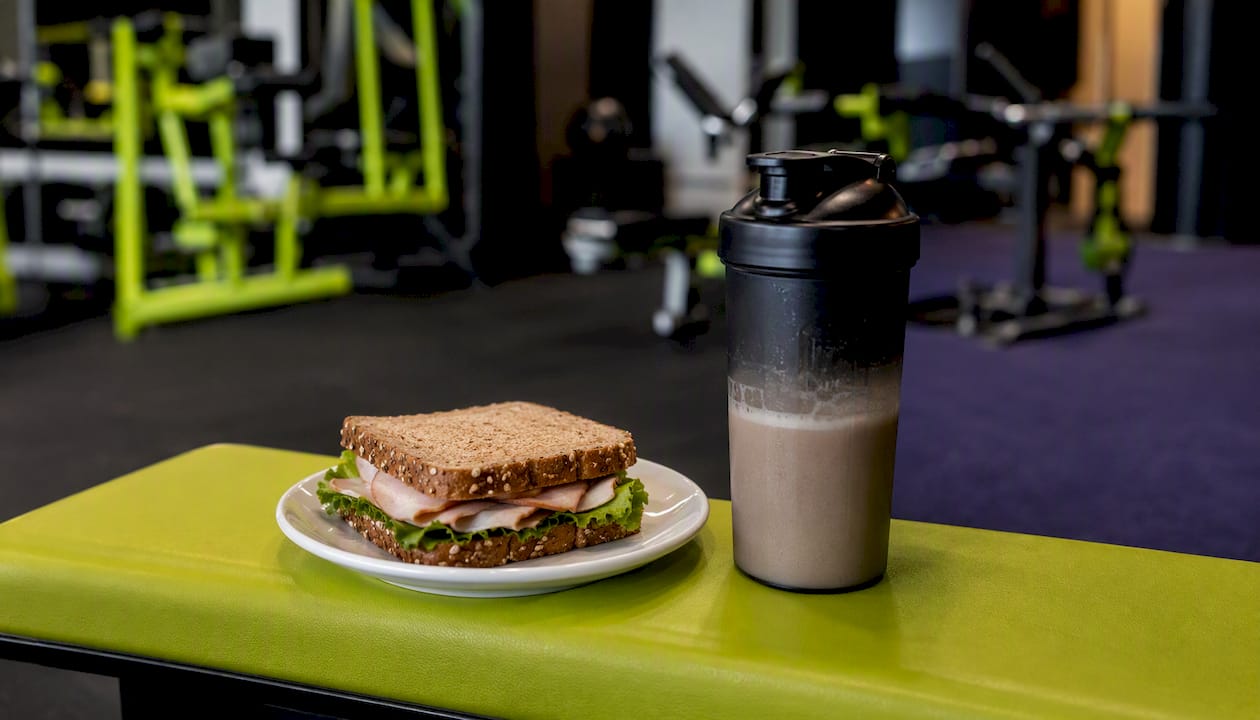
Carbs plus a small amount of protein 60–90 minutes before the session is the sweet spot. You don’t need a massive meal. The goal is topped-off glycogen and enough amino acids circulating to support muscle repair. A turkey sandwich or oatmeal with protein powder fits this window well.
For HIIT:
Similar rules apply. Avoid heavy fats in the 90 minutes before a HIIT session. A carb snack 30–60 minutes out (banana, rice cake, sports drink) is often all you need. HIIT is intense and short, so a light stomach is an advantage.
For endurance sessions (60+ minutes):
This is where carb intake matters most. Health-system guidance recommends tailoring the meal to session type, and for longer endurance work, starting with more carbs pre-session and planning for mid-workout fueling is standard practice. A practical starting range used in consensus guidance is around 0.5–1 gram of carbohydrate per kilogram of bodyweight in the 1–2 hours before a long session.
Scenario comparison:
For most sessions under 60 minutes, you don’t. Your pre-workout fuel is enough. Mid-workout nutrition becomes relevant when sessions push past 60–90 minutes or when you’re doing multiple high-intensity sessions in a single day.
The general approach for sessions over 60–90 minutes:
Practical mid-workout fueling steps:
Pre-workout nutrition gets most of the attention, but what you eat after training shapes your recovery just as much. The practical rule: aim for a mix of carbohydrates and protein within about 60 minutes after a hard session.
Two easy post-workout combos:
For readers who want to understand the bigger recovery picture, including how sleep and rest days fit in, the Onemor recovery guide is worth reading alongside this one.
The honest answer: timing matters, but not as much as the internet suggests for most people.
A PMC review on pre-exercise nutrition found that when meals are consumed within 4 hours of exercise, the specific timing has minimal effect on substrate oxidation or time-trial performance. Differences become more meaningful only when the timing gap stretches to 90 minutes or more, or in specific performance test types.
Cleveland Clinic guidance reinforces this: consistent daily nutrition and hydration often matter more than obsessing over a narrow pre-workout window, especially for shorter or moderate sessions.
Where the evidence is strongest:
Where the evidence is weaker:
The practical takeaway: follow the timing windows as a useful framework, not a rigid law. Your total daily food quality and hydration are the bigger levers.
The research gives you a framework. Your body gives you the final answer. Here’s a simple way to test what works for you without risking a bad session.
Pro Tip: Always test new strategies during routine training sessions, not before a race, a big lift attempt, or any session where performance really counts. You want data, not regret.
Registered dietitian guidance consistently recommends this exact approach: experiment during training, not on competition days. If you want personalized support building a nutrition plan around your training, nutrition coaching can help you move faster than trial and error alone.
Here’s something worth saying plainly: most people overthink pre-workout nutrition and underthink their training structure.
Getting your meal timing right is genuinely useful. Showing up to a strength session having eaten nothing since breakfast 7 hours ago, or cramming a burrito 20 minutes before HIIT, will affect how you feel and perform. The timing windows in this guide are real and worth following.
But the bigger variable is whether you’re training consistently, with a plan that actually challenges you. Fueling a random, unstructured session is less valuable than fueling a well-designed one. That’s where Onemor comes in. If you want guided programs that make testing your fueling strategy easy because the workouts themselves are already planned, Coach Branden’s programs or Coach Geraldine’s sessions give you the structure to actually notice what your nutrition is doing. When you know exactly what’s coming in a session, you can tune your pre-workout meal around it with confidence.
Fueling advice works best when it has something real to fuel.
Pre workout meal timing works best when you match food type and portion size to how much time you have before training.
These are the primary sources behind the guidance in this article. Each one is worth reading if you want to go deeper.
This article is general information, not a substitute for advice from a qualified doctor. Consult a qualified healthcare professional about your own circumstances before acting on anything here.