Smart hydration for workouts comes down to three things: the right fluids, the right timing, and the right electrolyte balance. The American College of Sports Medicine (ACSM) recommends drinking 16–24 oz of fluid about two hours before exercise, then another 7–10 oz in the 10–20 minutes before you start. During activity, sip 4–8 oz every 15–20 minutes. After your session, replace 16–24 oz for every pound lost, ideally within six hours. Get those numbers right and you protect your performance, your recovery, and your safety, especially training in Florida’s heat and humidity.
Here is the quick-start picture:
Water alone won’t cut it for longer or more intense sessions. Electrolytes, particularly sodium, are what help your body actually retain the fluid you drink rather than flushing it straight out. The National Athletic Trainers’ Association (NATA) confirms that sodium is critical for workouts lasting over one hour, maintaining fluid balance better than water alone.
Here is what electrolytes do for you during exercise:
For shorter or moderate intensity sessions, plain water is usually sufficient. For longer or high-intensity workouts, carbohydrate-electrolyte drinks offer additional benefits.
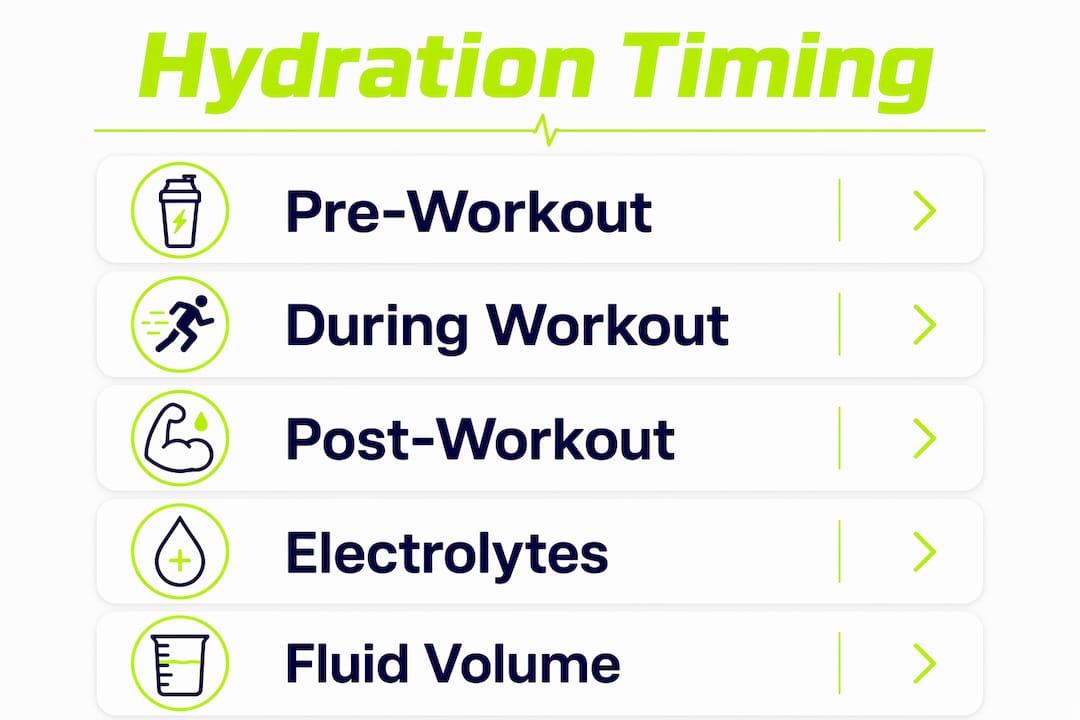
Choosing the right fluid at the right time makes a bigger difference than most people realize. Gabrielle Judd, M.S., R.D., C.I.S.S.N., a dietitian at Johns Hopkins Medicine, puts it plainly: plain water is not always the best option because drinking too much of it without electrolytes can dilute the minerals your muscles need.
Before your workout:
During your workout:
After your workout:
Fluid palatability matters too. Chilled, lightly flavored drinks get consumed more consistently than plain warm water, and consistent consumption is the whole game.
Your body gives you signals, but most people catch them too late. Dr. Sarah Eby, a sports medicine specialist at Mass General Brigham, says it directly: “If you’re thirsty, it’s too late. You’re already dehydrated.”
Watch for these signs of dehydration during exercise:
On the other side, overhydration is also a real risk. Gaining weight during exercise, feeling bloated, or experiencing nausea can indicate you’ve consumed too much fluid without enough sodium. The goal is euhydration, keeping body mass loss under 2% throughout your session without gaining fluid weight.
Precision here pays off. The ACSM guidelines and NATA both converge on the same framework, and it's worth knowing cold.
Pro Tip: Weigh yourself before and after your workout. Every pound lost equals roughly 16–24 oz of fluid you need to replace. Athletes consistently underestimate sweat loss, and this one habit removes all the guesswork.
Drinking on a schedule beats drinking to thirst, especially for sessions over 45–60 minutes. Thirst is a lagging indicator.
Pre-workout hydration is a 24-hour process, not a five-minute one. Starting a session already dehydrated forces you to play catch-up, and trying to drink too much immediately before exercise can cause gastrointestinal distress that derails the whole session.
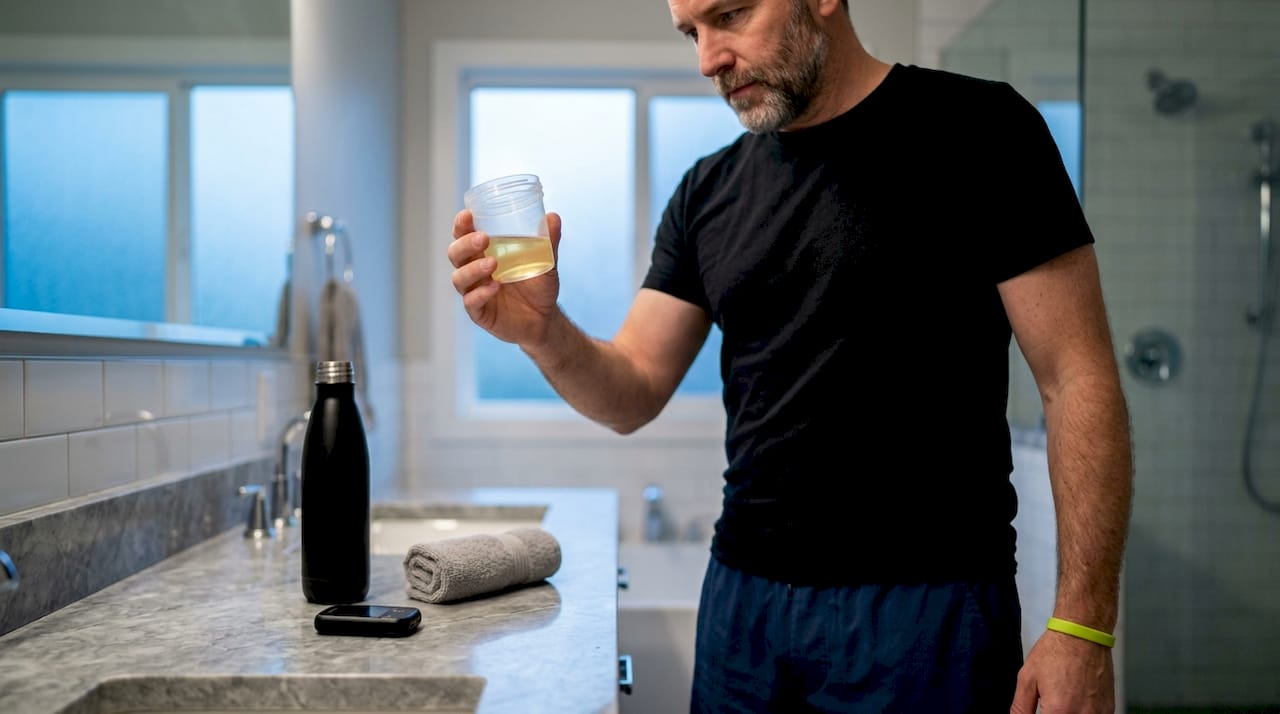
Build the habit of drinking consistently throughout the day. Check your urine color in the morning: pale yellow means you’re starting from a good place. If it’s dark, drink water with your breakfast before you even think about your warm-up. The 16–24 oz two hours before exercise gives your kidneys time to process excess fluid so you’re not stopping mid-session.
The goal during exercise is simple: don’t let body mass loss exceed 2%. That threshold is where aerobic performance and cognitive function start to decline. Set a timer on your phone or watch for every 15–20 minutes and drink 4–8 oz when it goes off. Don’t wait until you feel thirsty.
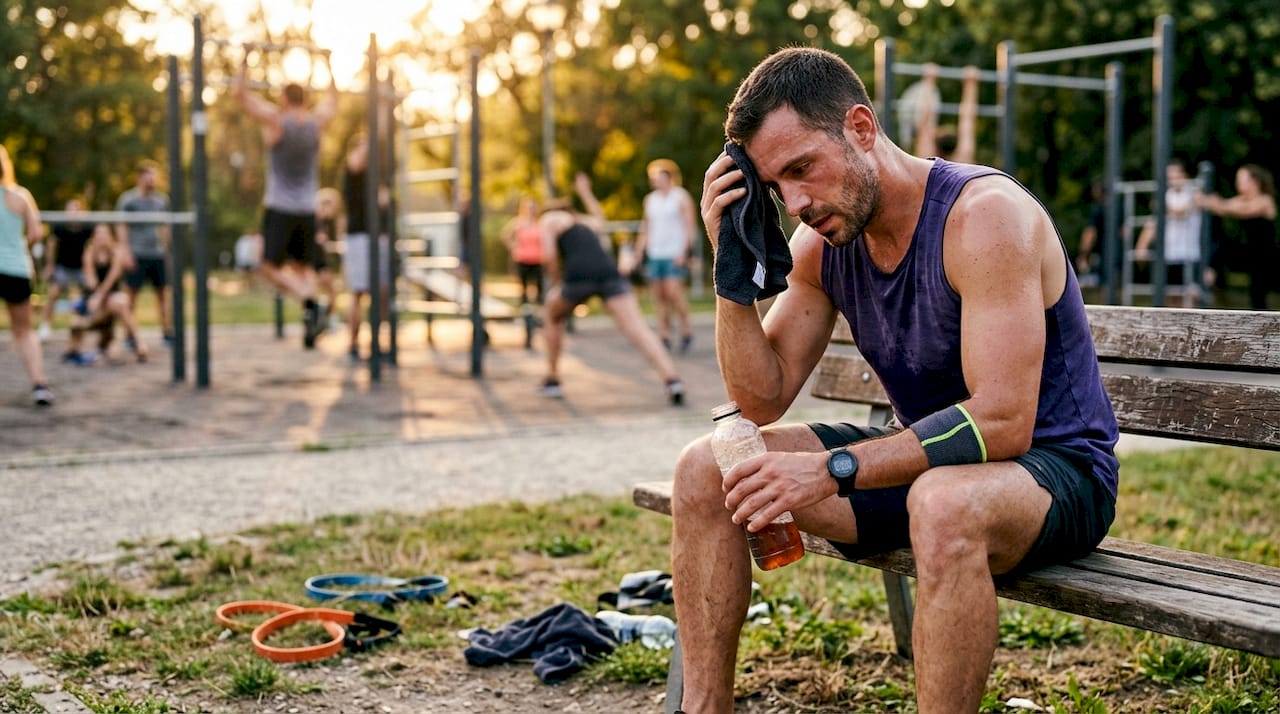
For sessions over an hour, switch from plain water to a drink with sodium and carbohydrates. The sodium helps your intestines absorb fluid faster and keeps you from urinating it all out. Avoid beverages with more than 8% carbohydrate concentration during exercise; that level slows gastric emptying and can cause stomach issues at the worst possible moment.
Post-workout is when most people underhydrate, and it costs them the next day’s session. Your muscles, joints, and cardiovascular system all need fluid to repair and adapt. Aim for 16–24 oz per pound lost, and pair your fluids with a small amount of sodium and carbohydrates to maximize absorption and glycogen replenishment.
Chocolate milk earns its reputation here. It delivers sugar, electrolytes, and protein in one drink, covering three recovery needs at once. If you prefer something lighter, a hypotonic sports drink or water with a salty snack works well. Refuel within two hours of finishing your workout to get the most out of your recovery window.
Not every session demands the same approach. A 20-minute bodyweight circuit at home and a two-hour outdoor run in July are completely different hydration challenges.
Training in Florida means dealing with conditions that accelerate fluid loss faster than most guidelines assume. High humidity reduces your body’s ability to cool itself through sweat evaporation, which drives core temperature up and increases cardiovascular strain. The result: you lose more fluid per hour and feel the effects of dehydration sooner.
Outdoor training in Florida’s summer heat can push sweat rates well above average. Sodium losses in sweat vary widely, anywhere from 200 milligrams to 2,000 milligrams per liter, according to Johns Hopkins Medicine dietitian Gabrielle Judd. If you’re training outside between June and September, a sports drink with at least 200–300 milligrams of sodium per 16 oz is a practical baseline. Weigh yourself before and after outdoor sessions to get a real picture of your personal sweat rate, then adjust your fluid plan accordingly.
Hydration needs aren't one-size-fits-all. Your age, fitness background, and any underlying health conditions all shift the equation.
Coach Kayla on Onemor covers hydration and electrolyte strategies tailored to individual workout goals and body response, which is a great starting point if you want guidance that fits your specific training style.
Effective hydration for workouts requires precise fluid volumes, consistent timing, and electrolyte balance to protect performance and accelerate recovery.
Ready to train smarter, not just harder? Onemor pairs you with real coaches and structured programs built around your goals, including the recovery habits that make every session count. Whether you’re doing HIIT, strength work, or bodyweight training at home, the right hydration strategy is part of the plan.