Gen Z fitness in 2026 comes down to three things: getting stronger, training with other people, and wanting structure instead of guesswork. Trends are fun to follow, but results come from a simple plan you repeat two or three times a week. That is the idea behind how we built Onemor: coach-led workouts with sets, reps and rest timers, so you spend your energy training, not planning.
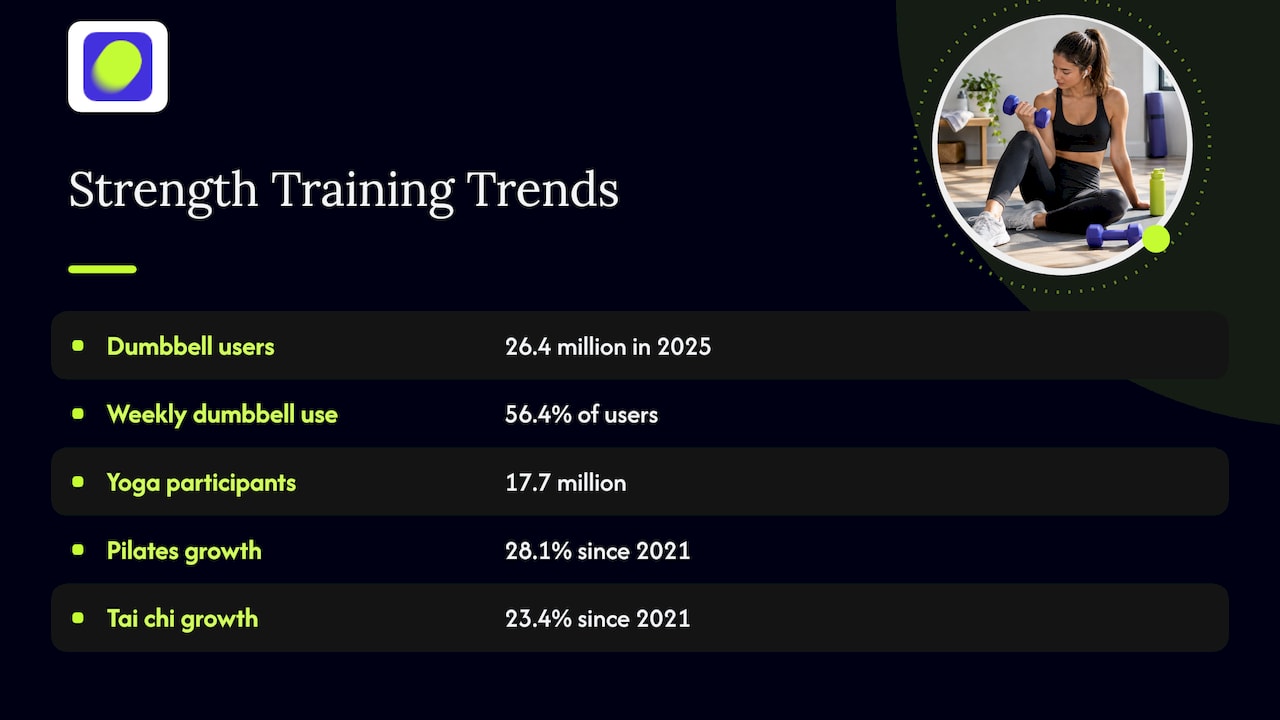
Lifting is no longer a niche. In the HFA 2026 report, dumbbell users grew 6.8% to 26.4 million in 2025, and 56.4% of them train weekly, the highest habit rate of any equipment type. Treadmills still have the most users, but dumbbells are the ones people keep coming back to.
The same report shows yoga leading member activities at 17.7 million participants, with Pilates and tai chi growing 28.1% and 23.4% since 2021. Strength plus mobility is where people are headed.
What does that mean if you train two or three days a week? Full-body sessions work well. Start with big movements like squats, hinges, pushes and pulls, and keep reps controlled. If you do not want to design that yourself, our strength, bodyweight and beginner programs are built that way, for the gym or at home.
Gen Z is turning workouts into plans with friends. In a ClassPass survey reported by Forbes, 53% of users ages 18 to 34 booked a workout instead of going out for drinks in the past year, and 64% booked an early class on purpose so they would head home earlier.
The pattern shows up elsewhere too:
That gap is the opportunity. Streaks, XP and tribe challenges in Onemor are designed to give you that accountability, even when your schedule does not match your friends’. For ideas to do together, try these ways to train with friends. Why community works so well is covered in this piece on building a gym community.
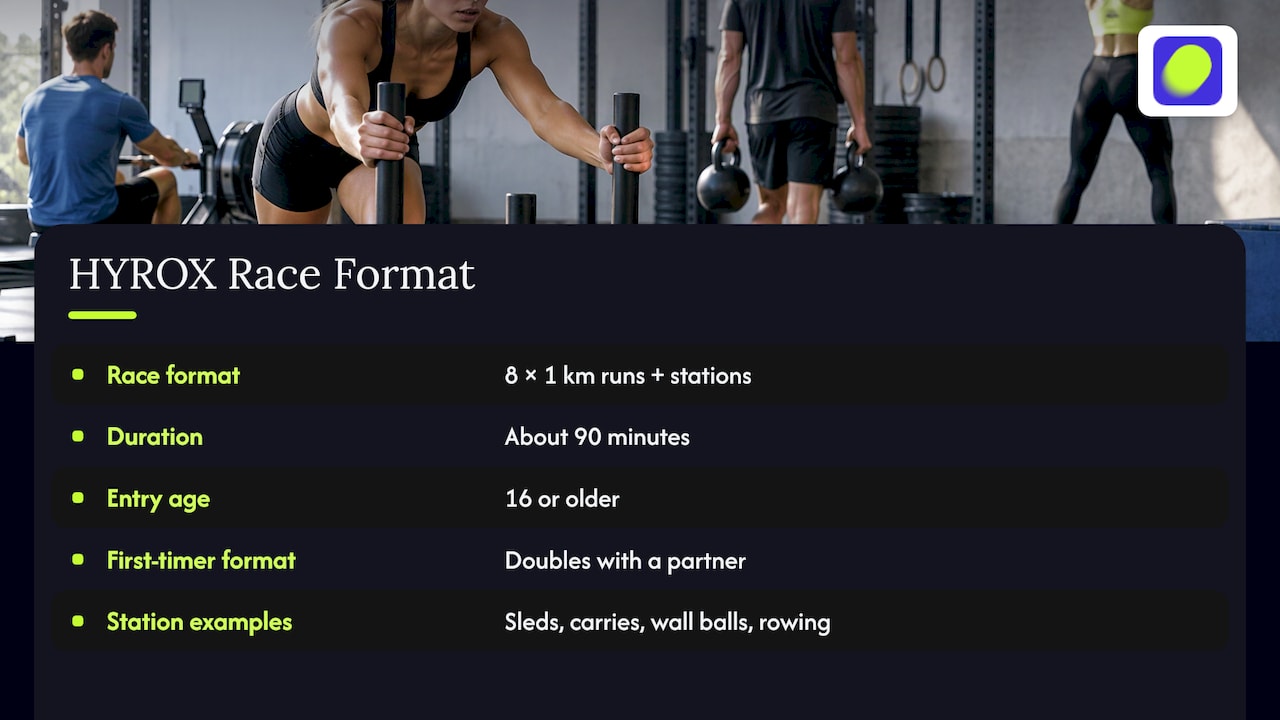
Hyrox is the event everyone is asking about. The Guardian reports that NYC participation tripled to 50,000 in 2025. A race is eight 1 km runs, each followed by a functional station such as sleds, carries, wall balls or rowing, and it averages about 90 minutes. Anyone 16 or older can enter, and most first-timers race in doubles with a partner.
If Hyrox is on your list, build a base first: a 5K run and comfortable squats. Progress gradually and train with good programming to lower injury risk. Floridians can also train outdoors year-round, though summer heat means shorter, earlier sessions and plenty of water. Formats like this are part of a wider move toward accessible competitive fitness.
Apps are part of how Gen Z trains. ABC Fitness research found 64% of Gen Z have used an AI-powered fitness or wellness app, but only 33% trust AI apps with their wellness needs. Young people want guidance they can believe in.
Our workouts are led by real trainers, and you can meet them on pages like Coach Denis and Coach Geraldine. For a wider look at the category, see our best workout program apps, and for motivation mechanics, our piece on gamification in fitness.
The US Physical Activity Guidelines recommend 150 to 300 minutes of moderate aerobic activity a week, or 75 to 150 minutes of vigorous activity, plus muscle-strengthening on two or more days. People who are inactive should start low and go slow, adding activity gradually.
Here is a simple week:
If you have a health condition or are returning after an injury, check with your doctor before ramping up.
Trends change, but consistency compounds. Onemor offers a free plan and a Pro plan, with guided sessions, streaks and challenges for beginners and returning lifters. Start free at Onemor, or see what Pro includes. Your first session is the hardest one to start, and the easiest one to repeat.
It depends on how a survey defines exercise. The Physical Activity Council’s 2025 report, using 2024 data, put Gen Z fitness participation at 56.1%. A Life Time survey of active Gen Z found 80% committed to active lifestyles within the past year.
In that Life Time survey, the top activities were walking or hiking (62%), running (56%), weight training (45%), stretching (38%) and yoga (32%). Strength training sits comfortably in the mix.
No public health body recognizes it. The numbers worth remembering are the guidelines’ 150 weekly aerobic minutes and two strength days. A 2-3 day full-body plan covers the strength part well.
No. YPulse’s 2026 report found most young Americans work out mostly solo and outdoors, often without a gym membership. Onemor programs work at home or at the gym.