The most effective ADHD workout routine is short, varied, and built around external structure rather than willpower. You do not need a 60-minute gym plan. You need a 10–20 minute session you can start without thinking, a coach or timer to keep you moving, and a friend or app to hold you accountable. Here is how to begin today.
Three quick-start steps:
Your first two options:
Pro Tip: Put your shoes by your bed the night before. The physical act of putting them on is often enough to break initiation inertia. You do not need motivation first. You need the shoes on.
Exercise works on ADHD at a neurochemical level. Aerobic movement raises dopamine and norepinephrine in the prefrontal cortex, the exact brain region responsible for attention, impulse control, and planning. Think of it as a short-term, natural boost to the same systems that ADHD medication targets, without replacing it.
A narrative review of 132 physical activity studies found modality-specific benefits: aerobic exercise improves sustained attention, HIIT helps impulse control, and coordinative activities like martial arts or dance boost cognitive flexibility. The review recommends moderate-to-vigorous intensity across multiple sessions per week for the most consistent cognitive gains.
“Regular physical activity improves executive functions in individuals with ADHD, with different modalities producing distinct benefits for attention, impulse control, and cognitive flexibility.” — Narrative review of physical activity interventions and ADHD outcomes, PubMed
Clinical trial evidence backs this up. The START randomized controlled trial tested a 12-week supervised, interval-based mixed exercise program in adults with ADHD and found significant symptom improvement with a large effect size on the ASRS-v1.1 scale. Structure and supervision were central to those results.
The Physical Activity Guidelines for Americans set the weekly target at 150 minutes of moderate-intensity aerobic activity plus muscle-strengthening on at least 2 days per week. Crucially, the guidelines note that activity can be split across days, which makes the target far more realistic for ADHD brains that struggle with long, single-session commitments.
Here is what the research points to as the core benefits:
One important note: CDC treatment guidance is clear that exercise complements medication and behavior therapy. It does not replace either. Always coordinate any major changes to your activity plan with your prescribing clinician.
Not all movement hits the same way for ADHD. Matching the modality to what your brain needs on a given day makes a real difference.
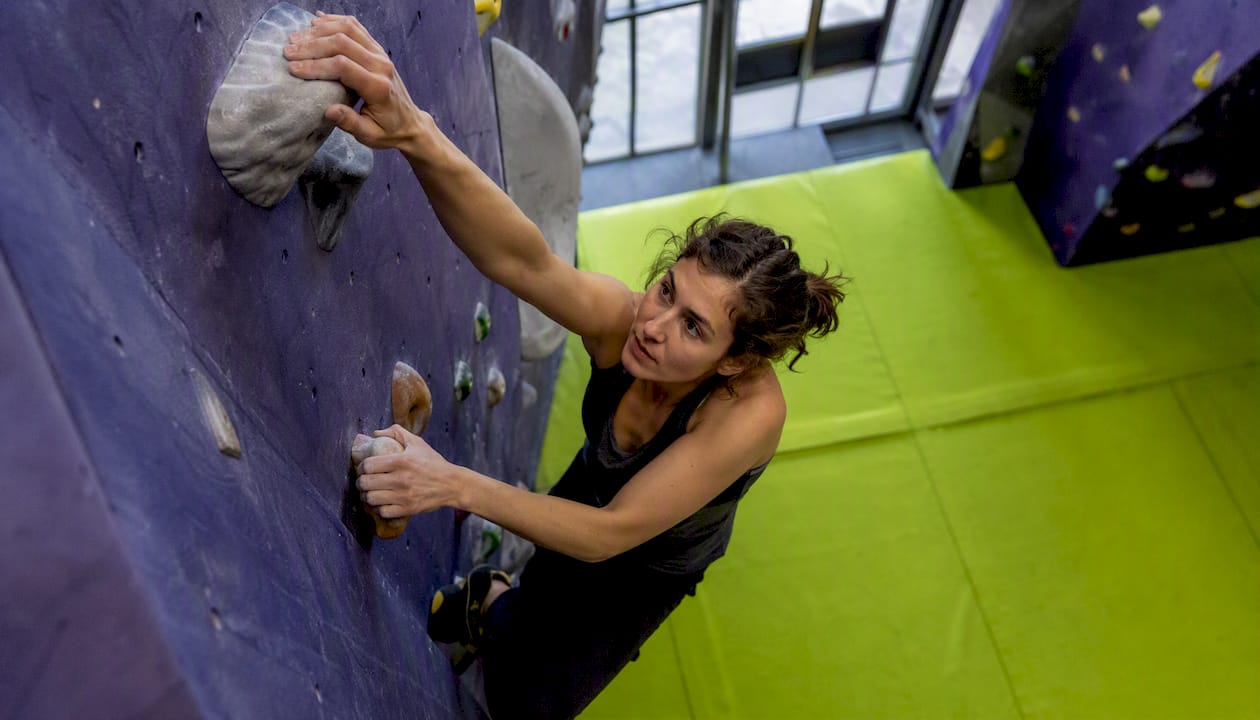
Martial arts, rock climbing, dance, and team sports require you to think and move simultaneously. That dual demand is especially good for cognitive flexibility and working memory. Many adults with ADHD report these feel less like exercise and more like play, which is exactly why they work.
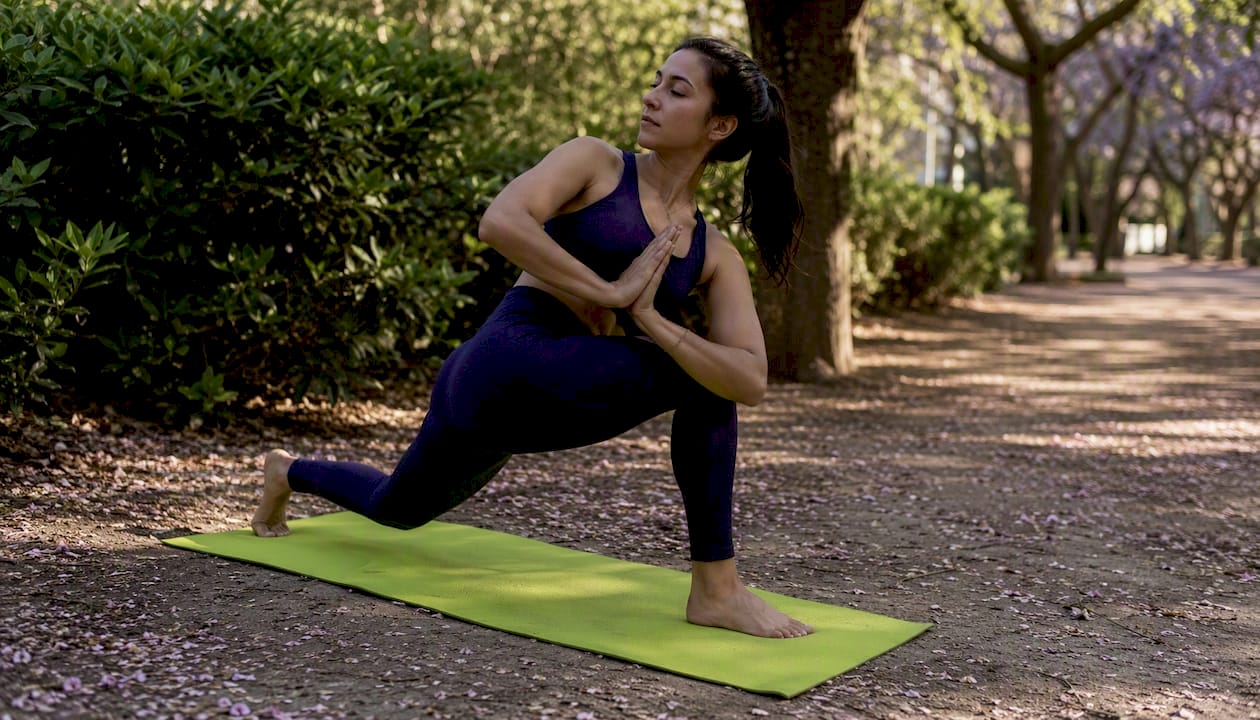
Yoga and Tai Chi help with emotional regulation and recovery, particularly on overstimulated days. Outdoor movement (“green exercise”) in parks or trails adds a sensory reset that indoor gyms cannot replicate. These are not replacements for higher-intensity work but excellent complements on low-energy days.
Every session, regardless of length, follows the same three-part structure: warm-up, main set, cooldown. Scaling is simple: cut the main set shorter on low-energy days, extend it slightly on high-focus days.
Use this on days when starting feels impossible. The goal is not fitness. The goal is showing up.
This is your go-to weekday session. It hits cardio and strength without requiring equipment.
Starting is hard. Staying consistent is harder. These strategies work because they reduce the mental load of getting started, not because they require more discipline.
Habit stacking and scheduling:
Accountability methods:
Novelty and motivation:
Technology and rituals:
Pro Tip: The ADD Resource Center recommends micro-movements as a way to break the all-or-nothing cycle. If you cannot start a full session, do one irreversible step: put on your shoes, open the app, press play. That single action often carries you into the rest.
Exercise is safe for most people with ADHD, but a few considerations are worth knowing before you build a new program.
Medication timing and physical effects:
Red flags that mean stop and seek help:
Monitoring and progression:
The CDC is clear that exercise is a supportive measure alongside medication and behavior therapy, not a standalone treatment. If your symptoms are significantly affecting your daily life, coordinate your fitness plan with your clinical team.
A note on clinical care: This article is general information, not medical advice. Always confirm exercise and medication decisions with a qualified healthcare provider.
Executive dysfunction, not laziness, is the main reason adults with ADHD struggle to maintain a workout routine. A qualitative study on ADHD and physical activity found that participants who lacked prior positive experiences with exercise and had no external structure were the least likely to maintain activity. The fix is not more motivation. It is better scaffolding.
A well-designed app reduces friction at every decision point: what to do, how long to rest, when to move to the next exercise. That external structure is exactly what ADHD brains need.
Features that actually matter for ADHD users:
What to look for when choosing an app:
Pro Tip: Set the app as your phone’s first screen. The fewer taps between waking up and pressing play, the better your odds of actually starting.
If you have been nodding along to everything above, Onemor was built for exactly this. It is a fitness app for young adults that removes the planning burden entirely: coach-led sessions, guided sets and reps, built-in rest timers, and a tribe system that puts accountability right inside the app.
Here is how it maps to what ADHD users actually need:
Three ways to use it this week:
Start with a free workout at Onemor and invite one friend to join your tribe. That single step covers both the structured session and the body-doubling in one move.
The most effective ADHD fitness plan combines short, varied sessions with external structure like timers, coaches, and accountability partners rather than relying on motivation alone.
Here is something worth saying plainly: the hardest part of building a workout habit with ADHD is not the workout. It is the gap between deciding to work out and actually starting. That gap is where most plans die, and it has nothing to do with how much you want it.
The research backs this up, and so does lived experience. A 5-minute session you actually complete is worth more than a 45-minute plan you never start. Progress with ADHD looks like showing up for that 5-minute session three times this week, then maybe four times next week. That is real momentum.
Exercise will not replace your medication or your therapy. But it can sharpen your focus, lift your mood, and give you a daily anchor that makes everything else a little more manageable. That is worth a lot.
The evidence behind this guide comes from peer-reviewed research, clinical trials, and official US health guidelines. Here are the primary sources worth bookmarking:
For structured, coach-led workouts that put these principles into practice, the Onemor workout accountability resources and coaching pages are a practical next step.
Onemor gives you coach-led sessions, built-in rest timers, and a tribe of people training alongside you, so the hardest part (deciding what to do and starting) is already handled. Whether you have 5 minutes before work or 45 minutes on a Saturday, there is a session waiting for you.
Pick a coach-led session with Coach Branden or browse the full program library at Onemor. Invite one friend to your tribe for built-in accountability, and you have everything the research says works, right in your pocket.