Nutrition advice has a serious overcomplicated problem. Every time you open a fitness account, someone is pushing a new protocol — fasted training, carb cycling, intermittent fasting windows, eating only specific foods at specific times, avoiding entire food groups. It's exhausting, it's confusing, and honestly? Most of it isn't necessary.
Here's what actually matters when it comes to fueling your workouts: eating in a way that gives you energy, supports recovery, and doesn't make you miserable. That's it. Let's break it down without the noise.
The most important nutrition principle for working out isn't what supplement you're taking or what superfood you're eating. It's whether you're fueling your body appropriately before and after training.
Before a workout, your body needs available energy — primarily from carbohydrates. After a workout, your body needs protein to repair the muscle tissue you just stressed and carbohydrates to replenish glycogen stores.
That's the core loop. Everything else is fine-tuning.
📥 Ready to level up? Download the Onemor app free today — available on iOS. Find your program, join your tribe, and start training with real coaches at onemor.com.
The goal of a pre-workout meal is simple: give your body fuel without making you feel heavy, sluggish, or nauseous during training. This means a mix of carbohydrates (for energy) and a moderate amount of protein (for muscle protection), with low fat and low fiber — both of which slow digestion and can cause discomfort when you're moving hard.
Timing matters too. Eat a larger meal 2-3 hours before training. If you're closer to your workout — 30-60 minutes out — go for something smaller and easily digestible.
Great pre-workout options:
Notice what's not on that list: complicated smoothie bowls with 15 ingredients, expensive pre-workout supplements, or any kind of "detox" drink. Real food works.
Post-workout, your muscles are like a sponge — they're primed to absorb nutrients and begin the repair process. The window isn't as rigid as the old "30-minute anabolic window" myth suggested, but eating within 1-2 hours of training is genuinely useful.
The priority here is protein. Your muscles broke down during training. Protein provides the amino acids needed to rebuild them stronger.
Great post-workout options:
Notice a pattern? Protein + carbs. Every time. Simple.
🍎 Pair great nutrition with a great training program. Onemor gives you personalized workouts built around your goals. Start free at onemor.com — and fuel your progress the right way.
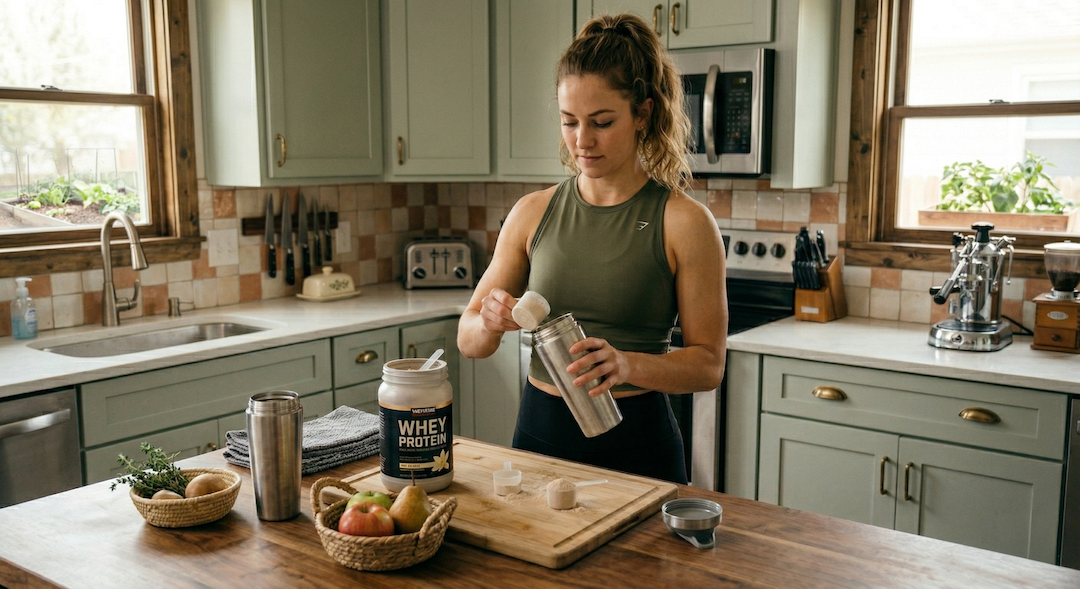
Protein. By a significant margin.
Most people — especially those new to training — dramatically undereat protein. The general recommendation for active individuals is 0.7-1g per pound of bodyweight per day. For a 150-pound person, that's 105-150g of protein daily. Most people eating a standard diet get maybe half that.
Low protein intake means slower muscle growth, slower recovery, more soreness, and less favorable body composition changes over time. It also means you'll feel hungrier throughout the day, since protein is the most satiating macronutrient.
You don't need to track every gram obsessively. But making a conscious effort to include a quality protein source in every meal is one of the highest-leverage changes you can make.
This one gets skipped over constantly but it matters more than most people realize. Even mild dehydration — around 2% of body weight — measurably reduces exercise performance, impairs focus, increases perceived effort, and slows recovery.
A simple rule: drink water consistently throughout the day, not just during your workout. By the time you feel thirsty, you're already mildly dehydrated. Aim for roughly 2-3 liters daily as a baseline, more on training days or in hot weather.
And no — coffee, energy drinks, and soda don't count toward your hydration goal. Water and electrolyte drinks do.
Here's the liberating part: you don't need to eat perfectly to see results. You don't need to meal prep every Sunday, track every calorie, or avoid going out with friends.
The 80/20 principle applies here — if 80% of your meals are whole, nutritious foods that support your training, the other 20% of flexible eating has minimal impact on your long-term results.
What kills progress isn't a slice of pizza on Friday. It's months of chaotic eating with no protein, no structure, and no awareness. Build the foundation, be flexible within it, and stop stressing about perfection.
Eat real food. Prioritize protein at every meal. Have carbohydrates before and after your workouts. Stay hydrated. Don't overthink the rest.
Nutrition should support your training — not become another source of anxiety. The goal is to feel energized, recover well, and enjoy eating. All of that is possible without a 40-ingredient meal plan or a supplement stack.
Start simple. Stay consistent. Adjust as you go.
📲 Download Onemor free on the App Store. Search "Onemor" or visit onemor.com to get started — your first 21 days of Pro are completely free, no credit card required.
🔥 Great nutrition + a great training plan = real results. Take the free Onemor quiz and get matched with a program built for your goals. Start today at onemor.com — your first 21 days are on us.